
Nine native Chesapeake Bay plants that look beautiful in winter
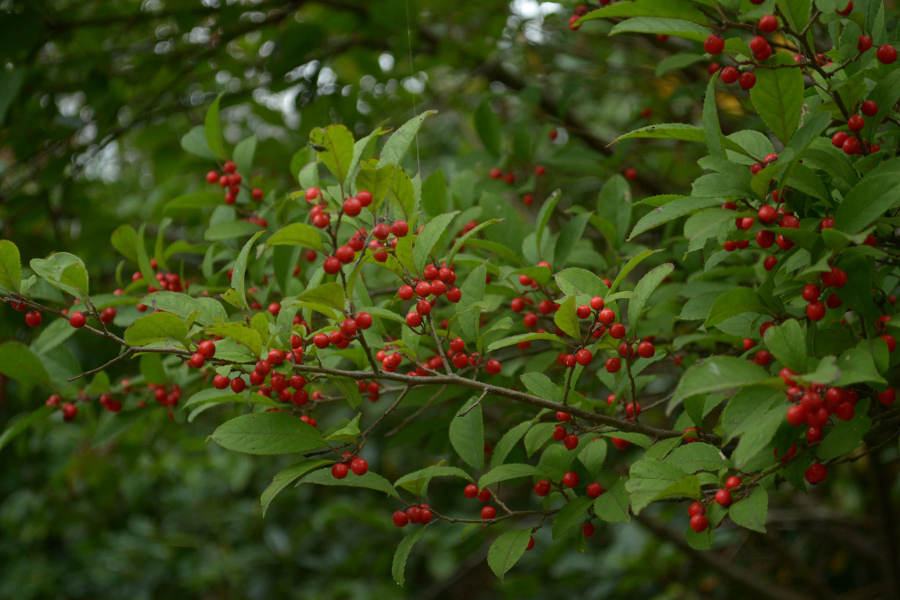
These dreary winter days got you down? Fortunately, there's still plenty of color out there! We’ve compiled a list of nine native plants that are particularly beautiful during our coldest season. Go on a scavenger hunt for them, or plan on planting them this spring to brighten up your yard next winter – not to mention provide wildlife with shelter and food all year round.
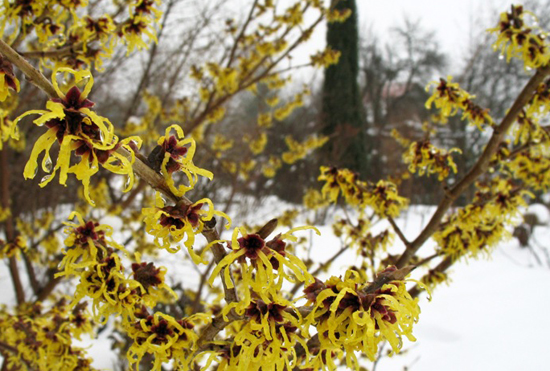
1. Witch hazel (Hamamelis vernalis and Hamamelis ovalis)
(Image courtesy Tigermuse/Flickr)
Two varieties of this small tree flower in late winter. Extracts found in witch hazel's bark and leaves help shrink blood vessels back to their normal size. Witch hazel extract is used in medicines, aftershave lotions, and creams that treat insect bites and bruises.
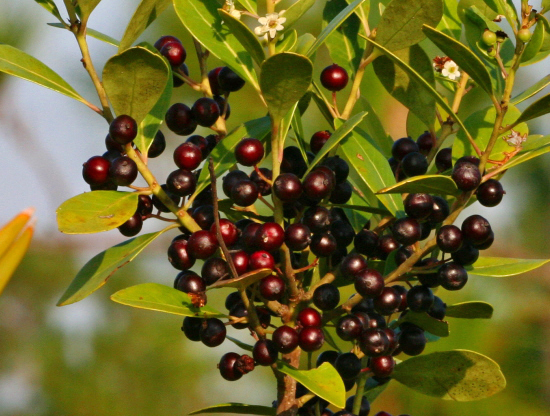
2. Inkberry (Ilex glabra)
(Image courtesy Mary Keim/Flickr)
Wildlife feed on inkberry’s purplish-black berries, which often persist through the winter. Raccoons, coyotes and opossums eat the berries when other foods are scarce. At least 15 species of birds, including bobwhite quails and wild turkeys, also rely on this plant.
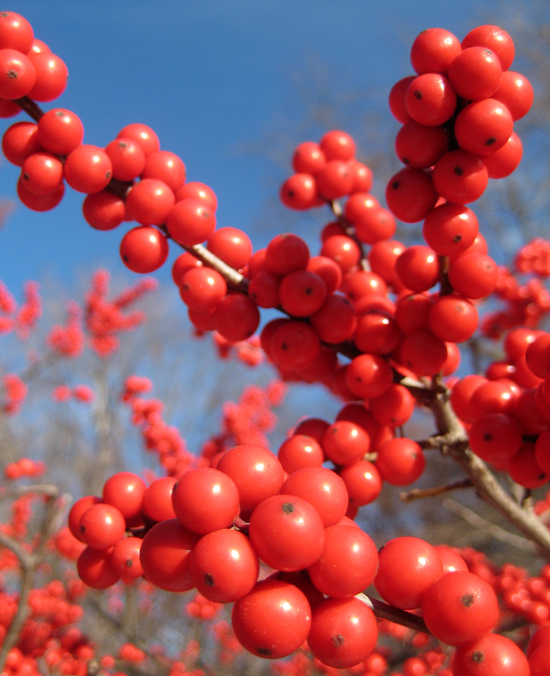
3. Winterberry (Ilex verticillata)
(Image courtesy Wallyg/Flickr)
Winterberry is very easy to grow, and isn’t susceptible to many pests and diseases. Its bright red berries stand out in mid-winter snow and look beautiful in holiday arrangements. Not to mention they provide excellent nutrition for winter wildlife. But be careful – they’re poisonous to humans!
4. Staggerbush (Lyonia mariana)
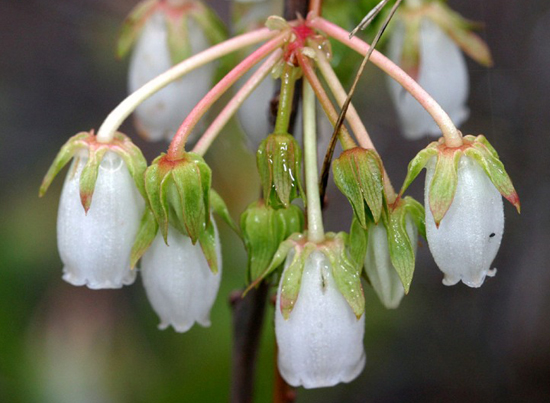
(Image courtesy Patrick Coin/Flickr)
This low-growing shrub has purplish berries that last through the winter. In early summer, staggerbush's unique, urn-shaped flowers will surely accent your landscape beautifully.
5. Northern bayberry (Myrica pensylvanica)

(Image courtesy JanetandPhil/Flickr)
Yellow-rumped warblers rely heavily on northern bayberry’s berries, which have a waxy, light blue-purple coating. When this deciduous plant’s leaves are crushed, they give off a spicy scent. Bayberry essential oil is extracted from these leaves and used to scent many products.
6. Shining sumac (Rhus copallina)
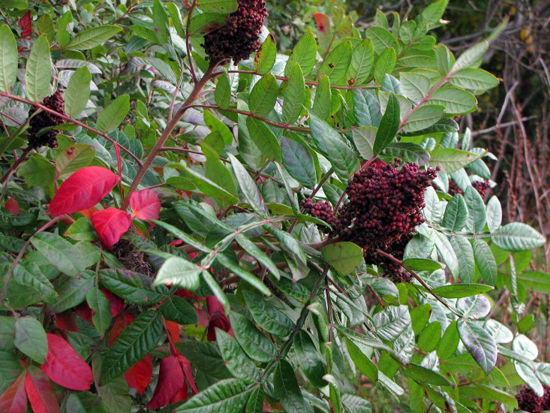
(Image courtesy treegrow/Flickr)
Sumac berries are quite sour, so they usually aren't the first choice of wintering wildlife. But they are high in vitamin A and have helped many a bluebird when insects are scarce. Shining sumac’s shrubby nature is perfect for critters looking to take cover.
7. Staghorn sumac (Rhus typhina)
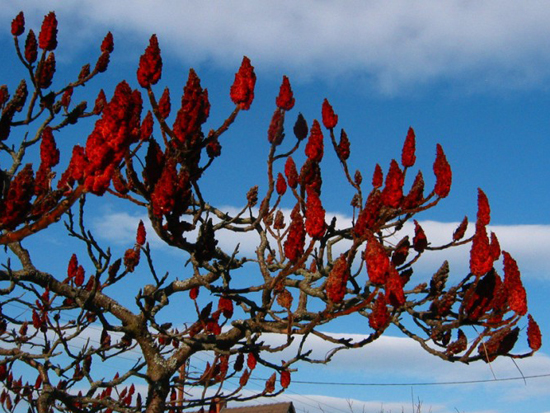
(Image courtesy flora.cyclam/Flickr)
Staghorn sumac is easily identified by its pointed cluster of reddish fruits, which often last through the winter and into spring. Since it can grow in a variety of conditions, staghorn sumac is perfect for novice gardeners. Humans have used the fruit to make a lemonade-like drink high in vitamin A. Native Americans used the plant to make natural dyes, and often mixed it with tobacco.
8. Southern arrowwood (Viburnum dentatum and Viburnum recognitum)
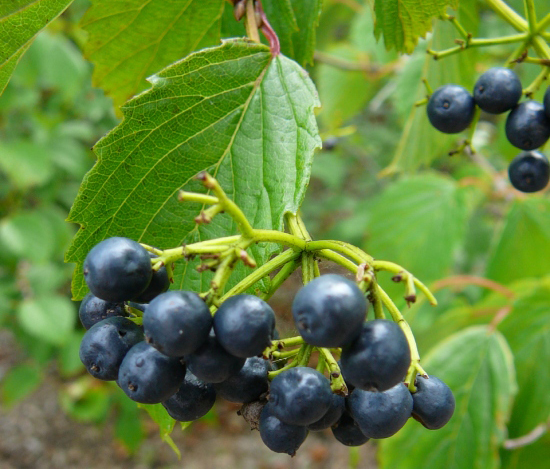
(Image courtesy Kingsbrae Garden/Flickr)
Southern arrowwood is an eye-pleaser year-round, with furry, white flowers in summer, wine-red foliage in autumn and dark blue berries in winter. This shrub prefers well-drained soils.
9. Yellow birch (Betula alleghaniensis)
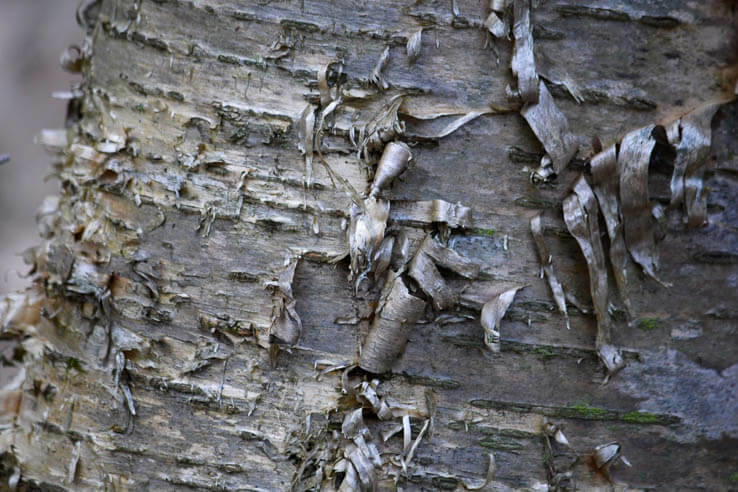
(Image courtesy Randy Bodkins/iNaturalist CC BY-NC)
Yellow birch trees even smell like winter; when their twigs scrape together, they give off a slight wintergreen scent. The tree is named for the color of its bark, which will brighten up any winter landscape.
Do you have a favorite native plant that looks great in winter? Tell us about it in the comments! And if you’d like more suggestions for native plants that provide winter interest, check out the U.S. Fish and Wildlife Service’s Native Plants for Wildlife Habitat and Conservation Landscaping: Chesapeake Bay Watershed.
Comments
Berberis “wilsoniae” berries and foliage are dark orange all winter, and hang on until they ferment, at which time they become attractive to birds. Some still remain as the plant sends out new shoots in spring
Are any deer resistant? They eat everything
The winterberry is only poisonous to humans if ingested, right? That's an important distinction to make for the unfamiliar, but eager, person looking to add natives.
Also, the sumac plants are NOT poisonous to humans, right? Also an important distinction.
The tree in the last picture is a silver birch not a yellow birch.
I love the yellow birch
Hello Jim,
Where to acquire depends on where you are located. Are you in the Maryland area? The Maryland Native Plant Society publishes an extensive list of nurseries (https://www.mdflora.org/publications/nurseries.html) in the area. Quick googling can help you find nurseries near you that deal in native plants, but make sure they know the source! Reading through this guide (https://www.mdflora.org/Resources/publications/howtoplantshop.pdf) on how to buy native plants will help you when you set out for a nursery. No matter where you are in the Chesapeake Bay watershed, the Native Plant Center (https://www.mdflora.org/Resources/publications/howtoplantshop.pdf), a joint project from the Alliance for the Chesapeake Bay and the U.S. Fish and Wildlife Service, can help you in your quest.
Where can you acquire these plants?
Much better than the non-native Nandina - which seems to be planted everywhere and has berries that are poisonous to Woodthrushes
Great article -- creative thinkers for Valentines Day could even give these plants instead of roses! I'll be reposting on my blog.
Thank you!
Your comment has been received. Before it can be published, the comment will be reviewed by our team to ensure it adheres with our rules of engagement.
Back to recent stories