
Raising Chesapeake critters in classrooms
Five watershed species take center stage in environmental education programs across the watershed
Chesapeake Bay wildlife are at their most vulnerable when they’re first born, which is why conservation groups design programs to raise juvenile fish, shellfish and reptiles before releasing them into the wild. One fantastic place to implement these programs is in schools, where students can not only help raise iconic Bay wildlife, but learn about them in the process. The following five programs provide this hands-on learning experience for students and help ingrain in them an appreciation for their local watershed.
Mussels
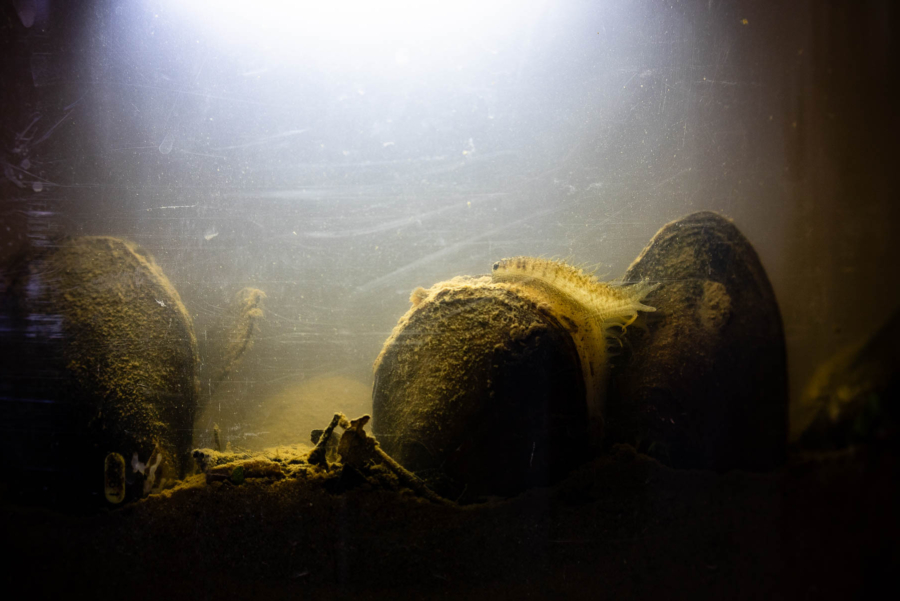
Freshwater mussels are important for restoring water quality since an adult freshwater mussel can filter between 10 to 20 gallons of water per day. Freshwater mussels can remove algae, sediment and nutrients from local waterways. The Anacostia Watershed Society (AWS) combines restoration and environmental education priorities with their Mussel Power program. AWS provides freshwater mussels for teachers to have in their classrooms over the winter, giving students a chance to monitor the mussels and evaluate their growth. In the spring, students take a boat tour of the Anacostia River and then release the mussels into the water. AWS has a list of mussel-themed activities for teachers who are interested in adding mussel education to their curriculum.
American eels
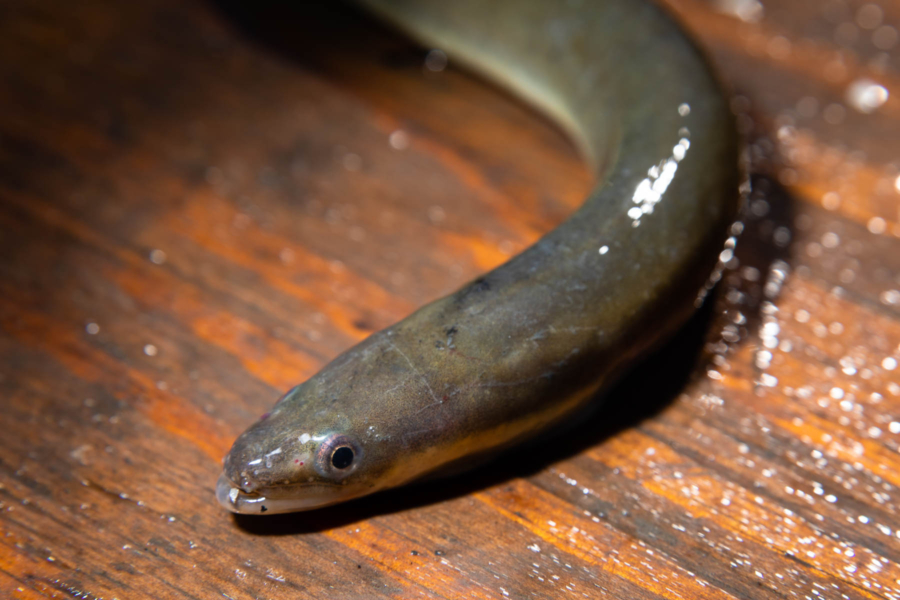
American eels play an important role in increasing freshwater mussel populations because mussel larvae attach themselves to eels' gills in order to grow and migrate. The introduction of dams throughout the Chesapeake watershed has impacted the migration and population of American eels, which in turn negatively influences the mussel population as well. The Susquehanna River Basin Commission’s (SRBC) Eels in the Classroom program allows students to raise juvenile eels during the school year and release them in the Susquehanna River in the spring. Schools can receive up to 10 eels per classroom but the number of schools and classrooms that can be supported each year is dependent on wild eel population numbers. Since 2018, the program has worked with 50 classrooms in 45 schools. SRBC offers other educational activities such as water quality monitoring and electrofishing demonstrations. For schools unable to participate in the program, the Vernal School Environmental Education Partnership at the Montour Preserve in Danville, Pennsylvania, has a free livestream. The U.S. Fish and Wildlife Service offers eels in the classroom programs in other locations around the country.
American Shad
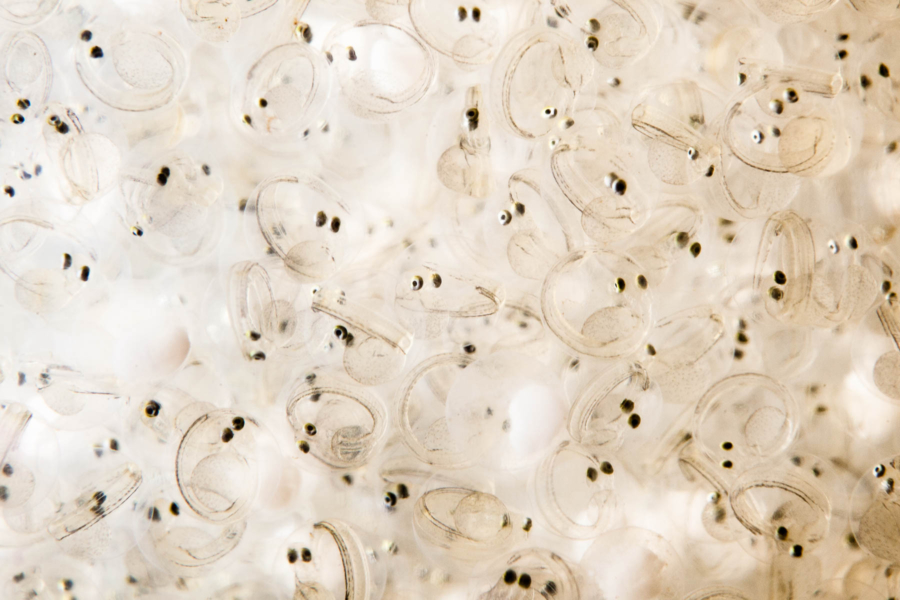
American shad are an important anadromous fish in the Chesapeake Bay watershed. Pollution, overfishing and dams have led to lower shad populations. Conservation organizations have worked with hatcheries to increase shad populations. The AWS Schools in Schools program provides classrooms with shad eggs which are hatched in classrooms and released into the Anacostia River. Students are able to observe the fish hatch and monitor the hatchery. Students are able to learn about the lifecycle of shad and take a boat tour of the Anacostia River. Elementary schools in Maryland and Washington, D.C., participate in this program.
Diamondback terrapins
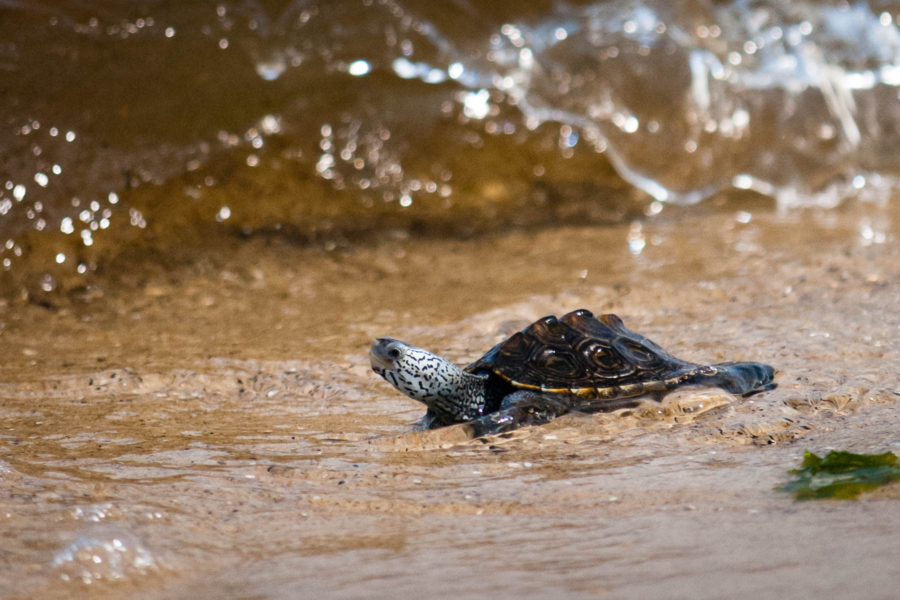
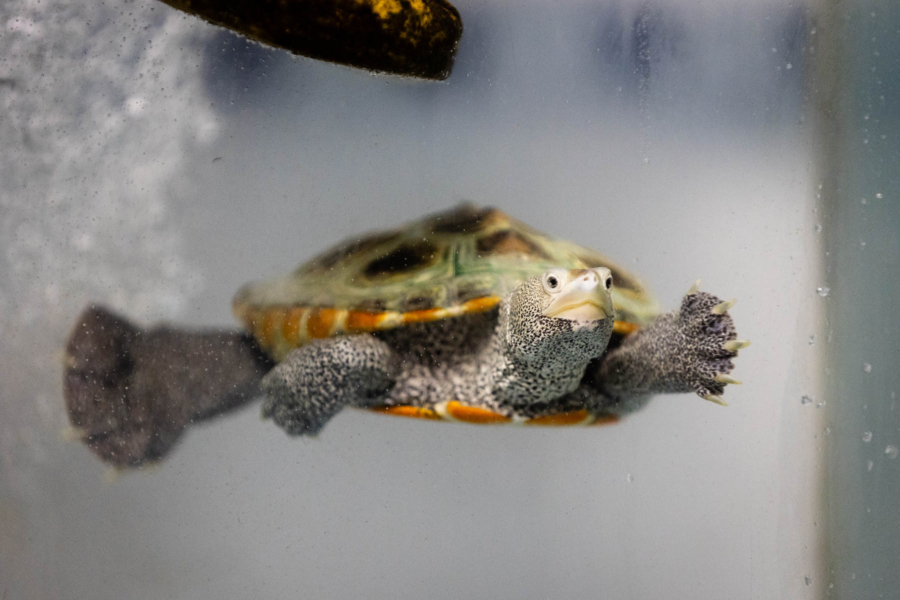
Diamondback terrapins are the only turtle that lives exclusively in brackish water that you’ll find in the Chesapeake Bay. However, terrapin populations are still recuperating after decades of overharvesting. The National Aquarium’s Terrapins in the Classroom program helps students gain hands-on experience with this iconic reptile. Terrapins in the Classroom is part of a larger Terrapin Education and Research (TERP) partnership program. In the fall, hatchling turtles are collected from Poplar Island and brought to classrooms to overwinter. Through TERP, over 100 terrapins are placed in Maryland classrooms every year. Students care for the terrapins throughout the winter, learning more about their behavior and collecting growth data. In the spring, some students are able to travel to Poplar Island to release the turtles. Each turtle is implanted with a Passive Integrated Transponder tag before release. The tags can be used to collect data to see if this program is beneficial for terrapin populations.
Trout
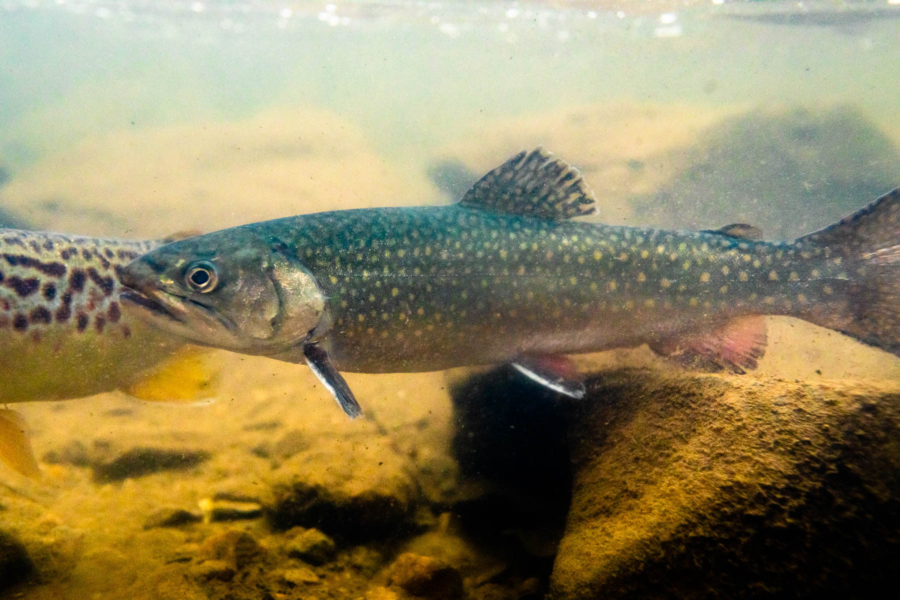
Trout Unlimited’s Trout in the Classroom program gives students across the country the opportunity to raise freshwater fish including rainbow trout, brown trout and brook trout. The program has been active for over 30 years and more than 100,000 students participate annually. Schools work with their local Trout Unlimited chapter to receive eggs from a hatchery in the fall. Students monitor the tanks, care for the fish, observe their growth and release them into a state-approved waterway in the spring. In the Chesapeake Bay watershed, the program has taken place in Maryland, Pennsylvania, New York, Virginia and West Virginia. Trout Unlimited provides free learning guides for anyone interested in teaching about salmon, trout or related species.
Does your school participate in any programs to help the Chesapeake's plant and animal species? Let us know in the comments!
Comments
There are no comments.
Thank you!
Your comment has been received. Before it can be published, the comment will be reviewed by our team to ensure it adheres with our rules of engagement.
Back to recent stories