
Invasive Species
Invasive species—plants or animals that have been introduced to their current habitat—can cause harm when they establish themselves at the expense of native plants and animals.
Overview
Invasive species are plants and animals that have been introduced, whether accidentally or on purpose, into their current habitat. They can cause harm when they establish themselves at the expense of native plants and animals, encroaching on their food or habitat. Although some invasive species removal projects have seen success, once established, populations of invasive species can be difficult to remove.
How are invasive species harmful?
Invasive species can cause harm when they establish themselves at the expense of native plants and animals, encroaching on their food or habitat. Indeed, after habitat loss, invasive species are one of the top threats to native plants and animals. According to the Center for Invasive Species and Ecosystem Health, invasive species have put more than 40 percent of the nation’s threatened or endangered species at risk of further decline.
Invasive species’ new environments often lack the natural controls—like predators or disease—that might otherwise keep them in check. Once an invasive species is established, it can be impossible to eradicate. Instead, habitat managers must focus on reducing its numbers or containing its range. Controlling invasive species takes time, money, cooperation and commitment, which is why it is crucial to prevent them from being introduced in the first place.
Types of invasive species in the Chesapeake Bay
There are more than 200 known or possible invasive species in the Chesapeake Bay region. Below are just a few examples.
Blue and flathead catfish
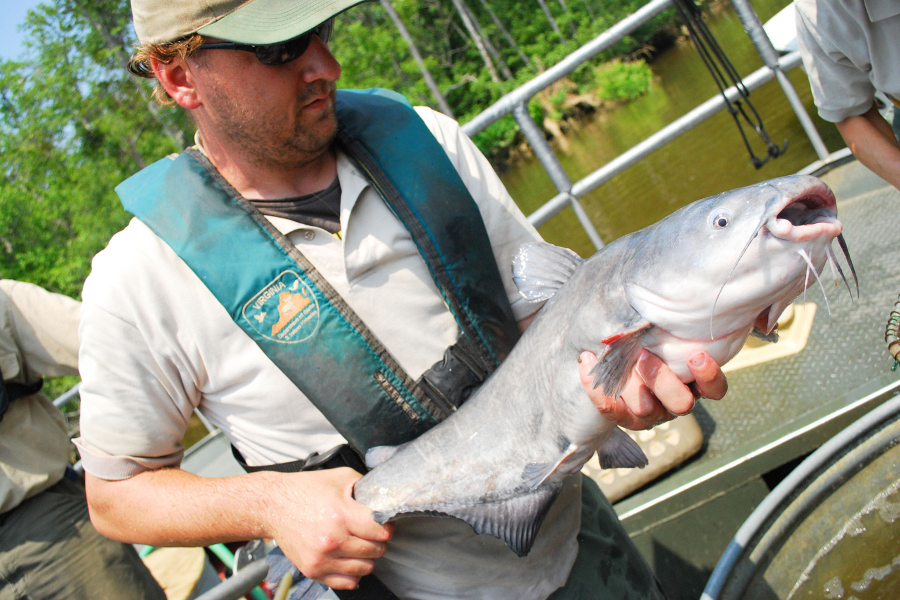
Native to the Mississippi, Missouri and Ohio River basins, blue catfish were introduced to the James, Rappahannock and York rivers in the 1970s and 1980s as a recreational catch. Flathead catfish were introduced to the James in the 1960s for the same reason. Today, blue and flathead catfish can be found in almost every major tributary in the watershed.
Both blue and flathead catfish have a long lifespan and an expansive diet, which can include crustaceans, worms and other fish. Their growing numbers and rapid expansion throughout the region have raised concern about their potential impact on menhaden, blue crabs and other native species that play an important role in our ecosystem and economy.
In 2012, the Chesapeake Bay Program’s Sustainable Fisheries Goal Implementation Team adopted an Invasive Catfish Policy statement, which outlines the need to control the effects of these nonnative fish. The Goal Team’s Invasive Catfish Task Force hopes to manage their spread while keeping in mind their recreational value.
Mute swans
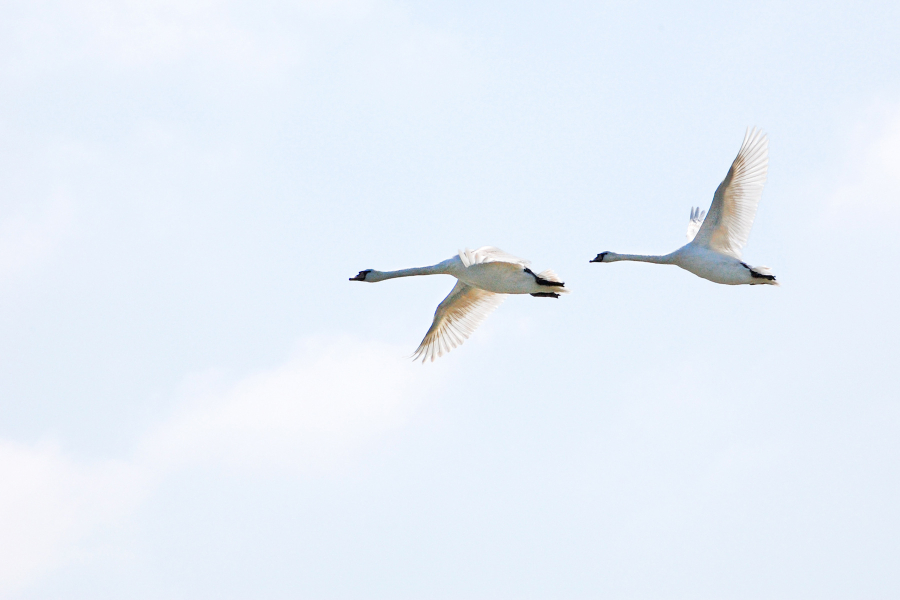
Mute swans are large, white birds that can be found in ponds, creeks and other shallow waters across the region. Mute swans were introduced to the watershed in 1962, when five birds escaped from an estate on Maryland’s Eastern Shore.
Mute swans can cause significant damage to underwater grass beds, pulling plants up by their roots to feed and reducing the amount of food and shelter available to native wildlife. On land, breeding mute swans can be protective of their nests, hissing at and chasing birds, mammals, people and other perceived intruders. This can displace native wildlife from their feeding and nesting grounds.
Both Maryland and Virginia have issued management plans for mute swans.
Nutria
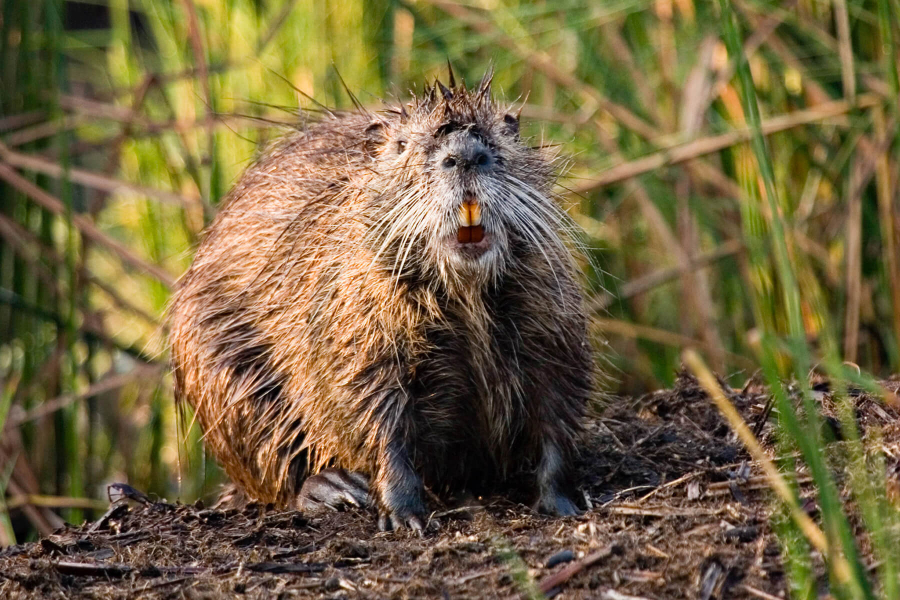
Nutria are large, semi-aquatic rodents that can be found in marshes and wetlands on the Delmarva Peninsula. Native to South America, nutria were introduced to Blackwater National Wildlife Refuge in 1943 to establish an experimental fur station. Since their introduction, nutria have destroyed more than 7,000 acres of the refuge’s marshland.
Nutria can cause significant damage to marshland, digging plants out by their roots to feed and creating “eat outs” that are susceptible to erosion. When marshland becomes open water, valuable habitat for native wildlife is lost.
Efforts to control nutria began in the mid-1950s. In 2004, Blackwater National Wildlife Refuge was declared nutria-free. Today, the U.S. Fish and Wildlife Service continues to oversee the Chesapeake Bay Nutria Eradication Project, which works to remove nutria from the region.
Phragmites
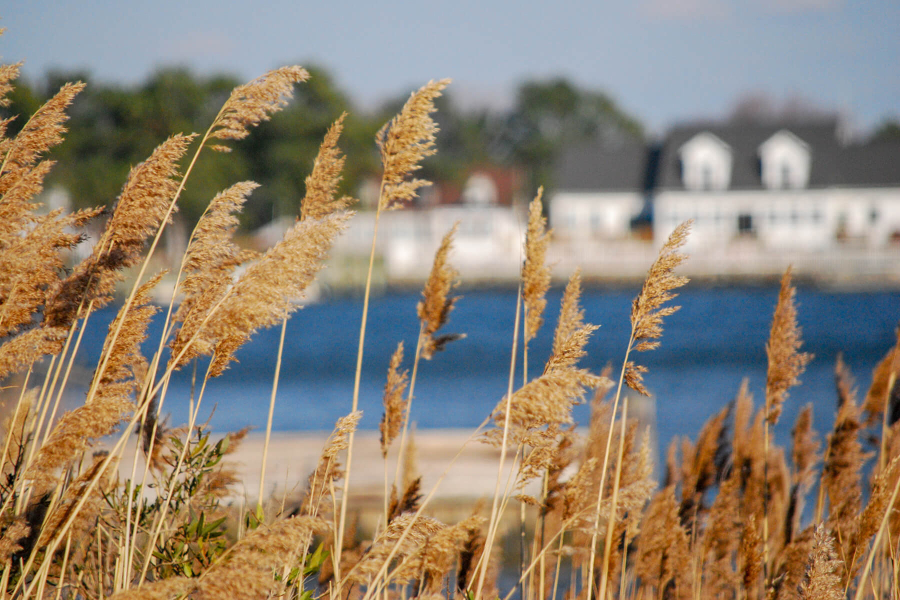
Also known as the common reed, phragmites is a tall perennial plant that grows in marshes and wetlands across the region, often colonizing ditches, roadsides and other disturbed areas. While phragmites has been present in North America for more than 3,000 years, the introduction of a European strain of the plant has caused phragmites to aggressively expand its range. Today, phragmites dominates mid-Atlantic marshland, and is estimated to cover as much as one-third of the tidal wetlands along the East Coast.
Phragmites grows so thickly that it can crowd out and replace native wetland plants, which might otherwise provide better food and shelter to wildlife. Mowing, burning, flooding and herbicide treatments have been used to control phragmites. Several watershed states offer cost-share programs to help landowners manage phragmites on their properties.
Purple loosestrife
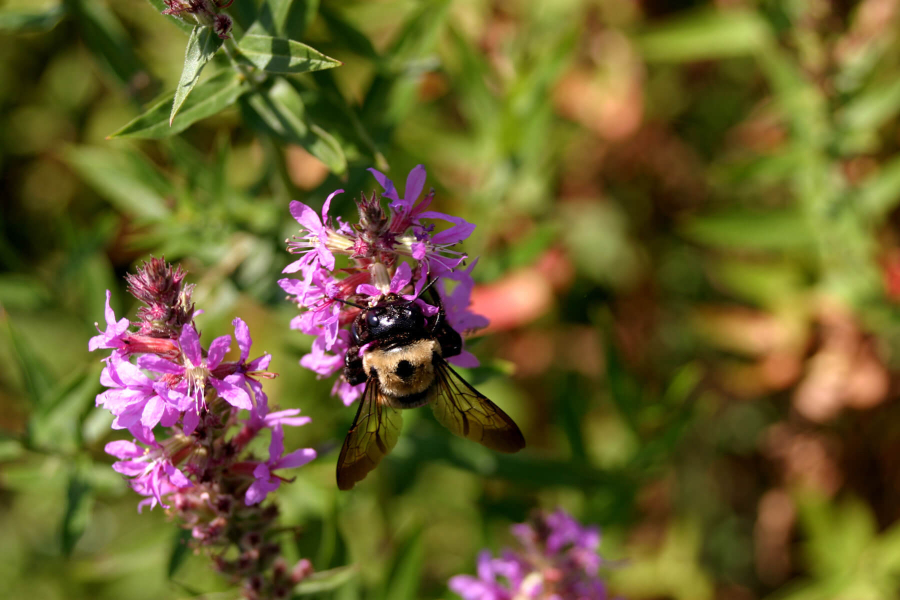
Purple loosestrife is a perennial plant that grows in marshes and wet meadows and along the edges of rivers, ponds and reservoirs. Native to Eurasia, the plant was introduced to the region in the 1800s for ornamental and medicinal reasons. Because it grows fast, produces a lot of seeds and has no natural predators, it can establish itself rapidly in new areas, crowding out and replacing native wetland plants.
In some wetland communities, purple loosestrife has displaced more than half of the native plant species, offering little value to wildlife and disrupting bank fishermen and boat traffic. Marsh wrens, bog turtles and muskrats can’t live or raise their young in dense stands of the plant.
The release of leaf-feeding beetles and flower-feeding beetles, which feed on purple loosestrife, has been used to control the plant in some watershed states. Mowing and herbicide treatments have also proven effective.
Water chestnut
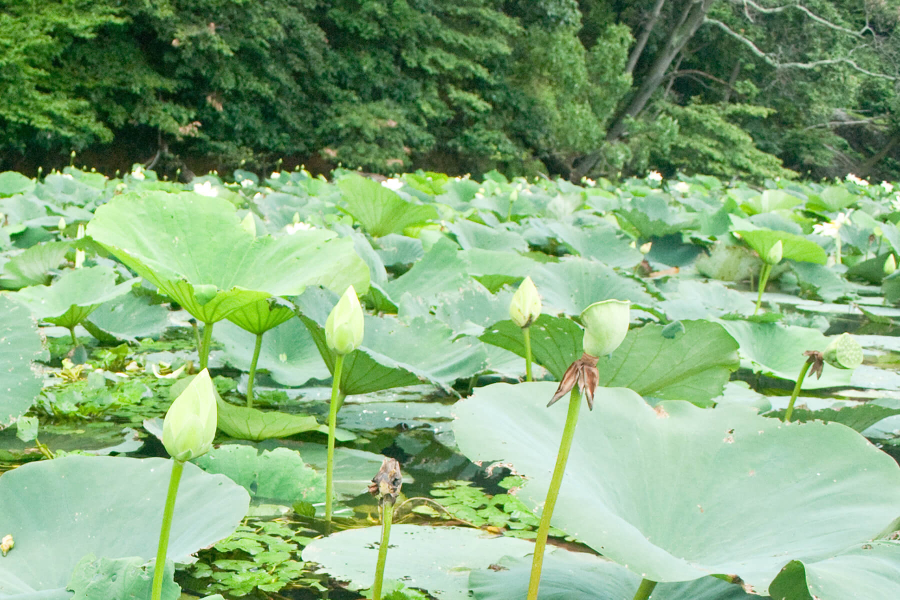
Water chestnut is a floating plant found in shallow, slow-moving rivers and lakes. Native to Europe, Asia and Africa, the plant was introduced to New England in the 1800s for use as an ornamental plant in ponds. It was first spotted in the watershed in 1923, on the Potomac River near the District of Columbia. It spread rapidly, and can now be found in Maryland’s Bird and Sassafrass rivers.
As it grows, water chestnut forms dense, floating mats that can block sunlight from reaching the underwater grass beds growing below. It can also disrupt boat traffic.
In 1999, mechanical harvesting by boat and hand removal by volunteers were used to eradicate water chestnut from the Bird and Sassafrass rivers. These efforts have continued to keep plant populations low without the use of herbicides.
Zebra mussels
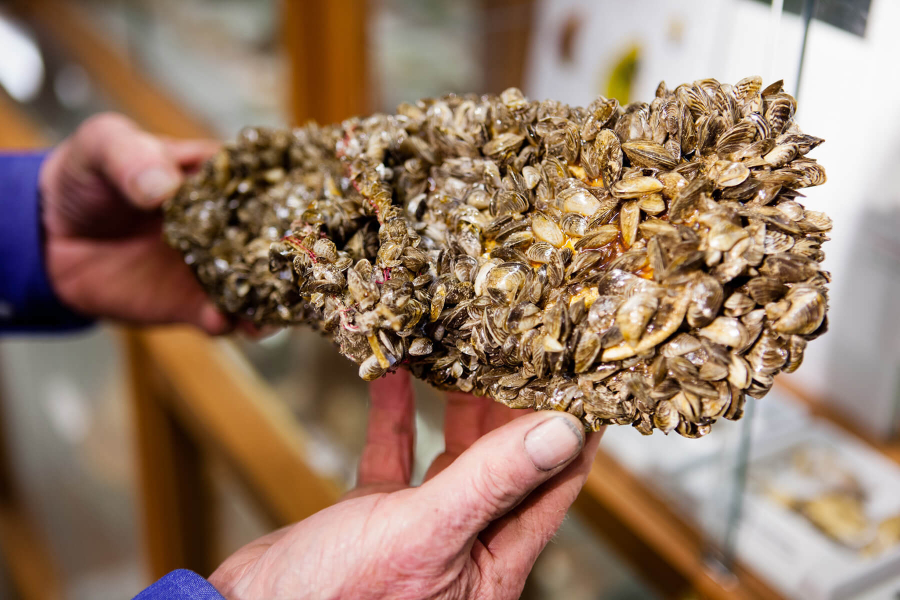
Zebra mussels are freshwater bivalves found in lakes, rivers, streams and reservoirs. Native to Europe, zebra mussels were discovered in the Great Lakes region in 1988, likely introduced from a ship’s ballast water. In 2002, a population was discovered in the upper Susquehanna River, and zebra mussels have since spread further into the watershed.
Zebra mussels are efficient filter-feeders that can remove a lot of plankton—an important food source—from the water. Zebra mussels can also attach themselves to native mussels and to manmade structures, encrusting boat hulls and buoys, clogging intake pipes and impeding navigation.
While hand-scraping, power-washing and chemical treatments have been used to control zebra mussels, established populations can be almost impossible to eradicate.
What you can do
To prevent the spread of invasive species, consider planting native flowers, shrubs and trees in your garden. You can also protect waters from aquatic hitchhikers by cleaning your boat hull before moving it to another body of water and by keeping bait or aquarium species out of storm drains and waterways.